Numar proiect: COFUND-WATER4ALL-WATER Green Treat-1
Numar contract finantare: 59/2024
Titlul proiectului: O abordare ecologica in cadrul economiei circulare: fotocatalizatori robocastati pentru tratarea apelor uzate și utilizarea apei regenerate in agricultura
Sigla proiect: 
Coordonator proiect: Institutul National de Cercetare-Dezvoltare pentru Fizica Materialelor
Director proiect: Dr. Irina Zgura
Parteneri: P1 - Universitatea din București, România, Prof. Dr. Marcela-Elisabeta Bărbînţă-Pătraşcu
Proiectul este finantat de catre: Unitatea Executivă pentru Finanțarea Învățământului Superior, a Cercetării, Dezvoltării și Inovării (UEFISCDI) - Program Water4All
Valoare proiect: 1.250.000 lei (1.186.250 lei de la bugetul de stat si 63.750 lei de la Comisia Europeana).
Consortiul este format din cei doi parteneri din Romania si trei din Europa: P2 - Institutul de Acvacultură și Siguranța Mediului, Ungaria, Dr. Judit Hahn; P3 - Universitatea Extremadura, Spania, Dr. Antonia Pajares; P4 - GEPEA, Franța, Dr. Pascale Gillon
Principalele obiective ale prezentului proiect sunt:
(i) prepararea de fotocatalizatori pe bază de NP-uri de oxizi metalici (ZnO, CuO, ZnO/CuO) prin sinteză ecologică;
(ii) imprimarea de structuri 3D pe bază de oxizi metalici ecogeni prin robocasting;
(iii) utilizarea structurilor 3D obținute, bazate pe NP-uri de oxizi metalici, pentru a elimina contaminanți precum medicamente (antibiotice, ibuprofen) sau coloranți (albastru de metilen, rodamină B) din apele uzate generate de industria farmaceutică sau textilă;
(iv) utilizarea microalgelor pentru reducerea speciilor poluante generate în timpul procesului de fotocataliză;
(v) evaluarea efectului sinergic dintre fotocatalizatorii structurilor 3D și microalge la nivel de laborator/semi-industrial/de seră pe ape uzate sintetice (prin adăugarea de medicamente și/sau coloranți) și în ape uzate reale (provenind din stațiile de epurare a apelor uzate industriale) și monitorizarea continuă a stării ecotoxicologice a probelor de apă care au trecut prin etapele de tratare.
Durata implementarii: 1 Aprilie 2024 - 31 Martie 2027
Rezultatele preconizate ale proiectului:
1. Obtinerea si evaluarea celor mai eficienți fotocatalizatori robocastati pe baza de oxizi metalici disponibili comercial.
2. Dezvoltarea „verde” a nanoparticulelor compozite de oxid metalic și utilizarea lor în structuri robocastate pentru fotodegradarea poluanților din apele uzate.
3. Investigarea impactului biologic pe mai multe niveluri trofice. Răspunsurile fiziologice ale plantelor, ale microalgelor la stresul direct și indirect indus de nanopulberile de oxizi metalici disponibili comercial si eco-sintetizati. Ecotoxicitatea acvatică complexă a acestor nanopulberi de oxid metalic și activitatea lor de detoxifiere au fost evaluate la trei niveluri trofice folosind organisme de testare procariote, nevertebrate si vertebrate.
4. Analiza apelor uzate sintetice tratate cu nanopulberile de oxizi metalici disponibili comercial si eco-sintetizati precum si cu structurile macroporoase imprimate 3D pe baza acestora, înainte și după procesul de fotodegradare, fotosinteza și respirația plantelor de laborator/seră.
5. Teste ecotoxicologice in vitro și in vivo pentru a determina toxicitatea a) fotocatalizatorilor robocastati pe bază de oxizi metalici disponibili comercial si eco-sintetizati și b) apelor uzate sintetice (cu și fără substanțele farmaceutice și coloranții desemnați ca substanțe chimice țintă pentru fotodegradare) înainte și după tratament utilizând teste acute și cronice cu A. fischeri, teste cu Daphnia și toxicitate acută cu ouă de pește zebră pentru calificarea apelor uzate.
6. Efect sinergic al microalgelor și fotocatalizatorilor robocastati pe bază de oxizi metalici disponibili comercial si eco-sintetizati folosind ape uzate reale ca mediu de creștere.
Institutul National de Cercetare Dezvoltare pentru Fizica Materilalelor, Romania – Project Coordinator: Dr. Irina Zgura
Universitatea Bucuresti, Romania – Conf. Univ. Dr. Marcela-Elisabeta Bărbînţă-Pătraşcu
MAGYAR AGRAR- ES ELETTUDOMANYI EGYETEM, Institute of Aquaculture and Environmental Safety, Hungary – Dr. Judit Hahn
UNIVERSIDAD DE EXTREMADURA, Spain – Dr. Antonia Pajares
CENTRE NATIONAL DE LA RECHERCHE SCIENTIFIQUE CNRS, GEPEA UMR6144, France – Dr. Pascale Gillon
Echipa INCDFM:
Post Vacant
Echipa UB:
Conf. Univ. Dr. Marcela-Elisabeta Bărbînţă-Pătraşcu
CS I Dr. Cornelia Nichita
Lect. Univ. Dr. Bogdan Bita
Conf. Univ. Dr. Adriana-Elena Balan
Conf. Univ. Claudia Gabriela Chilom
drd. Bogdan Ciprian Mitrea
drd. Tom Matei Iacob
Cercet. postdoc. Dr. Cornelia Diac
Post Vacant
Post Vacant
Acțiuni de comunicare și diseminare către utilizatorii finali și cetățeni
1. Irina Zgura și Marcela Elisabeta Barbinta-Patrascu, Participarea la Simpozionul Național-Educație -Forța motrice a progresului societății (Simpozionul național ”Educația–Forța Motrică a societăților progresului),
2. Irina Zgura, O abordare ecologică în cadrul economiei circulare: fotocatalizatori robocastați pentru tratarea apelor uzate și utilizarea apei regenerate în agricultură, "Science for Sustainability Days” 7 noiembrie, București, România, prezentare orală,https://magurelesciencepark.ro/events-msp/science-for-sday/sustainability
3. „Noaptea Cercetătorilor Europeni 2025”, 26-27 Septembrie 2025 (Noaptea cercetătorilor europeni 2025) – Noaptea Cercetatorilor Europeni este un eveniment organizat în cadrul Acțiunilor Marie Skłodowska-Curie, care face parte din programul-cadru Orizont 2020 la nivelul Uniunii Europene. Scopul acestui eveniment este de a informa publicul larg despre ce înseamnă să fii cercetător și de a evidenția aspectele fascinante ale muncii de cercetare.
4. MATE a participat ca expozant la ENVIRONTEC powered by ÖKOINDUSTRIA (Prima Expoziție Internațională de Tehnologie a Mediului, Deșeuri, Apă și Sustenabilitate, HUNGEXPO Budapesta, 1-3 octombrie 2024), https://environtec.hu/en/list-of-exhibitors/
ENVIRONTEC este unul dintre cele mai importante târguri internaționale din sectorul mediului, servind ca o platformă majoră pentru promovarea colaborării între organizațiile dedicate sustenabilității și protecției climei. Expoziția s-a concentrat pe domenii tematice cheie ale industriei mediului, inclusiv gestionarea deșeurilor și a apei, calitatea aerului și soluții tehnologice inovatoare și sustenabile.
„ENVIRONTEC powered by ÖKOINDUSTRIA” este o nouă inițiativă dezvoltată de HUNGEXPO în strânsă colaborare cu Asociația Întreprinderilor de Mediu (KSZGYSZ). Evenimentul a oferit un forum de profil înalt pentru conectarea instituțiilor de cercetare, a actorilor industriali, a factorilor de decizie politică și a dezvoltatorilor de tehnologii de mediu.
Reprezentanții MATE au participat activ la expoziție, prezentând obiectivele proiectului Water4All și activitățile de cercetare în curs. Prin crearea de rețele și discuții cu părțile interesate din industrie, au fost explorate oportunități de colaborare viitoare și potențiale căi de transfer tehnologic.
5. De asemenea, rezultatele cercetării au fost publicate în:
– Prin postări distribuite în ziare, pe rețelele sociale, știri:
https://www.facebook.com/reel/1482912879485091
https://www.instagram.com/reel/DPgfusLDFx6/?igsh=MTBtOHFoaHdyZzBpOQ
https://novaciencia.es/nuevos-materiales-para-depurar-agua-contaminada-estan-impresos-en-3d/
6. 25 octombrie, Sarbatoarea stiintei în Saint-Nazaire (târg deschis pentru cetățeni, elevi și studenți timp de 3 zile). Demonstrație de cultivare a microalgelor și prezentare poster WGT
7. Expoziție de proiect la Festivalul Zilei Fetelor (organizată de Asociația Femeilor Maghiare în Știință), 25.04.2025, MATE Gödöllő, Ungaria,
8. Premiul pentru cea mai bună prezentare pentru lectia invitată: Dezvoltarea fotocatalizatorilor pe bază de oxizi metalici sub formă de pulberi sau structuri 3D robotizate pentru degradarea poluanților organici din apă, I. Zgura, M. Enculescu, N. Preda, L. Nedelcu, O. Rasoga, M.Cercel, M. Dinescu, M.E. Barbinta-Pătrascu, C. Nichita, A. Udaondo, P. Miranda, A. Pajares ICPAM-17 & PAMS-8, la Universitatea Shizuoka, Campusul Hamamatsu, Japonia, 16-23 noiembrie 2025, https://icpams.com/main/awards-2/
Anul 2024
În perioada de implementare (2024), s-au desfășurat activități privind prepararea și caracterizarea probelor comerciale pe bază de oxizi metalici, evaluate din punct de vedere al proprietăților morfologice, structurale și optice, atât ca sisteme monocomponente (ZnO, CuO), cât și ca materiale compozite (ZnO–CuO). Caracterizarea structurală prin difracție de raze X (XRD) a confirmat că pulberile comerciale au prezentat vârfuri de difracție corespunzătoare fazelor hexagonale wurtzit ZnO și monoclinice CuO. Proprietățile morfologice au fost evaluate prin microscopie electronică cu scanare (SEM), imaginile dezvăluind particule cu dimensiuni sub 100 nm, rezultat în concordanță cu măsurătorile DLS ale partenerului.
Măsurătorile optice (spectrele de reflectanță și spectrele FTIR) au evidențiat semnătura optică atât a componentelor ZnO, cât și a celor CuO din materialele compozite. Evaluarea eco-impactului (eco-toxicologic), inclusiv teste de seră/laborator pe plante, testarea activității urează și măsurători ale fotosintezei/respirației, a indicat că:
i) probele de pulbere testate nu au prezentat activitate de inhibare a ureazăi la o concentrație de 1 g/L (din cauza absenței compușilor bioactivi de suprafață) și
ii) probele nu au prezentat proprietăți antioxidante (din cauza lipsei compușilor bioactivi capabili să capteze și să neutralizeze radicalii liberi).
Aceste rezultate, împreună cu testele de inhibare a ureazăi, demonstrează necesitatea utilizării nanoparticulelor de oxid metalic obținute prin sinteză ecologică (pe bază de extracte de plante), deoarece oxizii fitoderivați posedă fitomolecule de suprafață care pot induce bioactivități relevante.
În ceea ce privește activitatea fotocatalitică a pulberilor nanometrice de oxid metalic comerciale, probele compozite au prezentat o performanță fotocatalitică mai bună decât ZnO sau CuO monocomponente. Cea mai mare eficiență de degradare a fost observată pentru compozitul care conține 3% CuO. La concentrația optimă, CuO acționează ca o capcană de electroni, reducând recombinarea electron-gaură și astfel îmbunătățind semnificativ performanța fotocatalitică.
Apa uzată sintetică tratată cu pulberi comerciale de oxid metalic înainte de degradarea fotocatalitică (efectuată de partener) a cauzat deteriorarea proceselor de fotosinteză și respirație la plante, ducând la moartea prematură a plantelor din cauza prezenței RhB în apă. După tratamentul fotocatalitic cu pulberi comerciale de oxid metalic, apa tratată a prezentat un efect stimulator asupra dezvoltării plantelor, îmbunătățind fotosinteza și ratele de respirație.
În evaluarea fotodegradării RhB utilizând structuri imprimate 3D, au fost necesari timpi de iradiere mai lungi și încărcături de fotocatalizator semnificativ mai mari (de aproximativ 100 de ori). Acest lucru se datorează suprafeței specifice substanțial mai mici a structurilor imprimate 3D în comparație cu pulberile comerciale de oxid metalic. Cu toate acestea, în ciuda timpului de iradiere și a cantității de catalizator crescute, efectul fotocatalitic obținut cu structurile 3D a fost comparabil cu cel al catalizatorilor sub formă de pulbere, cu mai multe avantaje cheie:
i) eliminarea etapei de filtrare, care este dificil de realizat;
ii) separarea și reutilizarea ușoară a structurilor imprimate;
iii) producerea de apă tratată fără impurități de particule.
Structurile 3D pe bază de compozite au prezentat un comportament fotocatalitic mai bun decât probele 3D monocomponente de ZnO sau CuO, cu o eficiență de degradare îmbunătățită observată în structurile care conțin 1% și 3% CuO.
Apa tratată cu structuri robocast a demonstrat efecte benefice asupra plantelor, confirmate prin măsurători de fotosinteză și respirație, care au fost similare cu probele de control. Dintre toate structurile robocast, compozitul 3D ZnO97%–CuO3% a prezentat cea mai mare eficiență de fotodegradare a RhB. Pe baza acestor rezultate, acest compozit a fost selectat în continuare pentru evaluarea activității urează și a ecotoxicității. În tratamentele care au utilizat apă decontaminată cu 3D_ZnO97%–CuO3%NPs, studiile de ecotoxicitate au indicat două aspecte esențiale: lipsa toxicității și aplicabilitatea potențială în agricultură.
Anul 2025
În perioada de implementare (2025), s-au desfășurat activități privind prepararea și caracterizarea probelor pe bază de oxizi metalici fitosintetizate, evaluate din punct de vedere al proprietăților morfologice, structurale și optice, atât ca sisteme monocomponente (ZnO, CuO), cât și ca materiale compozite (ZnO–CuO). Caracterizarea structurală prin difracție de raze X (XRD) a confirmat că pulberile fitosintetizate au prezentat vârfuri de difracție corespunzătoare fazelor hexagonale wurtzit ZnO și monoclinice CuO. Proprietățile morfologice au fost evaluate prin microscopie electronică cu scanare (SEM), imaginile arătând că probele sunt formate din particule cu o dimensiune medie de aproximativ 200 nm, rezultat în concordanță cu măsurătorile DLS ale partenerului.
Măsurătorile optice (spectrele de reflectanță și spectrele FTIR) au evidențiat amprentele optice ale celor două componente, ZnO și CuO, în materialele compozite. Evaluarea eco-impactului (eco-toxicologică), inclusiv testarea pe plante de seră/laborator, testele activității ureazăice și evaluarea fotosintezei și respirației, a relevat că:
i) dintre probele testate (ecoMO și compozitele acestora), doar două probe (EcoZnO95%–CuO5%NP și EcoZnO99%–CuO1%NP) au prezentat o activitate de inhibare a ureazăi mai pronunțată la o concentrație de 1 g/L. Activitatea anti-ureolitică a EcoZnO95%–CuO5%NP a fost de 53,902%, în timp ce EcoZnO99%–CuO1%NP a fost de 43,33%. Un ușor efect inhibitor a fost observat și pentru EcoZnO100% și EcoCuO100%.
ii) probele prezintă proprietăți antioxidante, atribuite prezenței compușilor bioactivi capabili să capteze și să elimine radicalii liberi din mediu. Cele mai mari valori ale AA% au fost înregistrate pentru EcoCuO100%NP-uri și EcoZnO99%–CuO1%NP-uri.
În ceea ce privește investigarea activității fotocatalitice a pulberilor de oxid metalic fitosintetizate, s-a constatat că probele compozite au prezentat performanțe fotocatalitice superioare în comparație cu pulberile monocomponente de ZnO sau CuO. Cea mai mare eficiență de degradare a fost obținută pentru compozitul care conține 3% CuO. La compararea tuturor rezultatelor obținute pe materialele eco-sintetizate sub formă de pulbere, EcoZnO97%–CuO3%NP-urile au fost identificate ca fiind cele mai eficiente în fotodegradarea RhB și a paracetamolului.
Analiza apelor uzate sintetice tratate cu pulberi comerciale de oxid metalic înainte de degradarea fotocatalitică (efectuată de partener) a arătat că prezența RhB în apa tratată a accelerat senescența, provocând în cele din urmă moartea prematură a plantelor (similar cu Etapa I, 2024). Prin urmare, aceste plante nu au putut fi utilizate pentru evaluarea ulterioară a fotosintezei/respirației. Procesul de fotosinteză al plantelor tratate cu apă tratată folosind pulberi de oxid metalic eco-sintetizate (EcoZnO97%–CuO3%, 400°C, 2,5h) nu a fost inhibat. Între timp, plantele de busuioc tratate cu apă care conține RhB, degradate fotocatalitic în prezența pulberilor EcoMO și a compozitelor acestora, au prezentat o scădere semnificativă a respirației, în special pentru EcoZnO99–CuO1% și EcoZnO97–CuO3%.
Pentru evaluarea fotodegradării RhB în prezența structurilor imprimate 3D, au fost necesare cantități semnificativ mai mari de fotocatalizator (de aproximativ 20 de ori mai mari). Acest lucru se datorează suprafeței specifice substanțial mai mici a structurilor imprimate 3D în comparație cu catalizatorii sub formă de pulbere. Cu toate acestea, în ciuda încărcăturii mai mari de catalizator, utilizarea structurilor imprimate 3D în tratarea apelor uzate care conțin coloranți oferă mai multe avantaje importante:
i) eliminarea etapei suplimentare de filtrare, care este laborioasă și dificil de implementat;
ii) separarea și reutilizarea ușoară a structurilor imprimate;
iii) obținerea apei tratate fără impurități particulare.
Probele imprimate 3D pe bază de materiale compozite au prezentat o activitate fotocatalitică mai bună decât probele 3D monocomponente de ZnO sau CuO. Efectul apelor uzate tratate cu structuri robocast asupra plantelor a fost evaluat prin fotosinteză și analiza respirației. Rezultatele au arătat că:
i) fotosinteza nu a fost afectată de tratamente și
ii) respirația a rămas neafectată la plantele tratate cu apă decontaminată folosind 3D EcoCuO100% și 3D EcoZnO99%–CuO1%. Pentru alte probe, s-a observat o încetinire a respirației.
Când s-a utilizat apă decontaminată cu 3D EcoCuO100% și 3D EcoZnO99%–CuO1%, studiile de ecotoxicitate au evidențiat aspecte importante, cum ar fi lipsa toxicității și potențiala aplicabilitate a acestor materiale în agricultură.
- Petrovic, S.; Bita, B.; Barbinta-Patrascu, M.-E. Nanoformulations in Pharmaceutical and Biomedical Applications: Green Perspectives. Int. J. Mol. Sci. 2024, 25, 5842. https://doi.org/10.3390/ijms25115842
- Barbinta-Patrascu, M.-E.; Bita, B.; Negut, I. From Nature to Technology: Exploring the Potential of Plant-Based Materials and Modified Plants in Biomimetics, Bionics, and Green Innovations. Biomimetics 2024, 9, 390. https://doi.org/10.3390/biomimetics9070390
- I. Zgura, C. P. Ganea, L. Nedelcu, C. Bartha, M. Enculescu, L. Frunza, Weak surface interaction in nematic liquid crystal-based composites with semiconducting nanoparticles, Romanian Reports in Physics in press: https://rrp.nipne.ro/inpress.html
Participation in international conferences
- Irina ZGURA, Monica ENCULESCU, Liviu NEDELCU, Nicoleta PREDA, Oana RASOGA, Photocatalytic activity of composite materials based on ZnO and CuO commercial powders, 10th International Conference on Advanced Materials, 15–18 July 2024, București, Romania, Poster presentation (S4-PP6), https://water4all.ro/watergreentreat/wp-content/uploads/2024/10/2024-07-20-Abstract-Book-ROCAM2024_FINAL.pdf
- International Kick-off meeting of the funded projects, 22nd-24th April 2024 – Madrid, Spain, https://www.water4all-partnership.eu/sites/www.water4all-partnership.eu/files/2024-04/booklet_JTC_2022_W4A_17april24_BR.pdf
- Bogdan Ciprian MITREA, Cornelia NICHITA, Marcela-Elisabeta BARBINTA-PATRASCU, PHYTO-FABRICATED COPPER OXIDE NANOPARTICLES FOR WASTEWATER TREATMENT (Poster S4P9), 22st International Balkan Workshop on Applied Physics, Constanţa, Romania, July 9-12, 2024, https://ibwap.ro/wp-content/uploads/2024/07/book-of-abstracts-IBWAP-2024_ISSN.pdf (pag. 83).
- Littorie, F., Cazier, EA. ; Héquet, V. ; Gillon, P.,Poster ,”USING MICROALGAE TO CAPTURE ORGANIC POLLUTANTS FROM WASTEWATER” (Poster), AlgaEurope Conference, Athens, Greece, 10-13 December 2024.
- Marcela-Elisabeta BARBINTA-PATRASCU, Cornelia NICHITA, Bogdan Ciprian MITREA, Bogdan BITA, Irina ZGURA, Ioan STAMATIN, Eco-toxicological aspects regarding phytogenic copper oxide nanoparticles for wastewater treatment, 23th International Balkan Workshop on Applied Physics and Materials Science, Constanta, Romania 09-12 July 2025
- I. Zgura, M. Enculescu, N. Preda, L. Nedelcu, O. Rasoga, M. Cercel, M. Dinescu, M.-E. Barbinta-Patrascu, C. Nichita, A. Udaondo, P. Miranda, A. Pajares, “Developing metal oxide-based photocatalysts as powders or robocasted 3D structures for degradation of organic pollutants in water”, ICPAM-17 and PAMS-8, at Shizuoka University, Hamamatsu Campus, Japan, November 16th – 23rd, 2025 –invited lecture
Participation in national conferences
- A.-E. CIUBOTARU, S. PETROVIC, M.-E. BARBINTA-PATRASCU, Biohybrids based on lipid nanoparticles, plant extracts and metallic nanoparticles: Biophysical aspects, Bucharest University Faculty of Physics 2024 Meeting, 24 Mai 2024 – Magurele, (oral presentation) https://ssffb.fizica.unibuc.ro/SSFFB/Abstract.php?AbstractID=2146958618
- Cornelia NICHITA, Marcela-Elisabeta Barbinta-Patrascu, Antioxidant effect of polyphenolic selective extracts obtained from Coriandrum sativum L. leaves., Bucharest University Faculty of Physics 2024 Meeting, 24.05.2024, https://ssffb.fizica.unibuc.ro/SSFFB/Abstract.php?AbstractID=2146958621
- Bogdan Ciprian MITREA, Cornelia DIAC, Tom Matei IACOB, Bogdan Ionut BITA, Cornelia NICHITA, Marcela-Elisabeta BARBINTA-PATRASCU, Eco-synthesis of copper oxide nanoparticles based on plant extract obtained from Mentha piperita L. species., Bucharest University Faculty of Physics 2024 Meeting, 24.05.2024, https://ssffb.fizica.unibuc.ro/SSFFB/Abstract.php?AbstractID=2146958622
- Alexandra SISILICA, Bogdan Ciprian MITREA, Tom Matei IACOB, Cornelia NICHITA, Marcela-Elisabeta BARBINTA-PATRASCU, Ioan STAMATIN: Ecological syntesis of CuONPs based on aqueous herbal extract (https://ssffb.fizica.unibuc.ro/SSFFB/Abstract.php?AbstractID=2146958724),Bucharest University Faculty of Physics 2025 Meeting,
- Bogdan Ciprian MITREA, Ariana Cornelia NICULESCU, Tom Matei IACOB, Cornelia DIAC, Bogdan Ionuț BITA, Cornelia NICHITA, Marcela-Elisabeta BARBINTA-PATRASCU, Ioan STAMATIN Evolution of chlorophyll content in the species Mentha piperita L. under conditions of localized copper exposure: an examination of physiological responses and environmental implications (https://ssffb.fizica.unibuc.ro/SSFFB/Abstract.php?AbstractID=2146958723), Bucharest University Faculty of Physics 2025 Meeting,
1. Intalnirea de lansare a avut loc pe 7 Mai 2024, Magurele, Romania, au participat toti partenerii: INDFM-CO, UB-P1, MATE-P2, UEx-P3, CNRS/GEPEA-P4, Kick-off meeting. https://youtu.be/o7dGd8xzlOg
2. Pe 05 Septembrie 2024, s-a tinut o sedinta de proiect online, au participat toti partenerii: INDFM-CO, UB-P1, MATE-P2, UEx-P3, CNRS/GEPEA-P4.
3. Pe 06 Marti 2025, s-a tinut o sedinta de proiect online, au participat toti partenerii: INDFM-CO, UB-P1, MATE-P2, UEx-P3, CNRS/GEPEA-P4, Project Meeting
4. Intre 18-20 mai 2025, la Badajoz, Spain, a fost o intalnire de lucru in care au fost prezentate rezultatele de pana in acest moment dar unde am avut ocazia perfectă de a schimba idei personale și profesionale cu partenerii noștri INDFM-CO, UB-P1, MATE-P2, UEx-P3, CNRS/GEPEA-P4, WaterGreenTreat progress Workshop
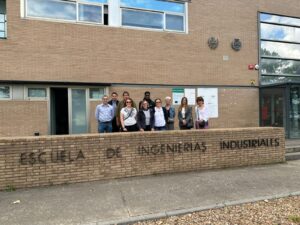
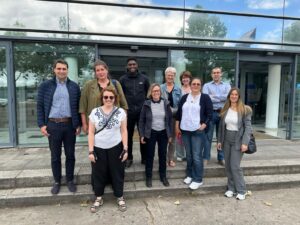
5. Pe 19 Septembrie 2025, s-a tinut o sedinta de proiect online, au participat toti partenerii: INDFM-CO, UB-P1, MATE-P2, UEx-P3, CNRS/GEPEA-P4, Project Meeting
Contact
Project Coordinator: Dr. Irina Zgura
Phone: +40-(0)21-3690185, +40-(0)21-2418100
Fax : +40-21369 0177
e-mail: irina.zgura@infim.ro
PROJECTS / INTERNATIONAL PROJECTS